About us
Meet Lee Gil-sin, who grows, studies and processes sanyangsam in the mountains of Pyeongchang.
Greeting
Hello, I'm Lee Gil-sin of Leegilsin Pyeongchang Wild Ginseng. I have worked in the sanyangsam (wild-simulated ginseng) trade since my youth, and today I grow it in the mountains of Pyeongchang without pesticides or chemical fertilizer. I also develop and produce products such as sanyangsam pills and gongjindan. The same seed grows and tastes differently depending on the forest. Experience alone could not explain that gap, so I work with researchers from the National Institute of Forest Science, monitoring growth and analysing active compounds right on my fields. In 2023, while developing products, I ran into a rule that did not recognise sanyangsam stems as a food ingredient. After working with the Korea Forestry Promotion Institute and the National Institute of Forest Science, the Korean Food Code was amended so that stems have been allowed since January 2024 — a change that reached the whole processing industry. Wanting to make it properly rather than cheaply, I set up my own production equipment in spring 2025 and refined the recipe for almost a year, completing Pyeongchang sanyangsam pills in February 2026. I promise to grow good sanyangsam honestly, keep sharing the research and the field records, and make every product with care.
Research & activities
Joint research with the National Institute of Forest Science
Took part in compound analysis by root age with the institute's sanyangsam team, and run a long-term field study recording growth and active-compound changes across different forest environments. From 2026, a new field study looks at how natural microbial agents affect one- to three-year-old plants, and in July 2026 we agreed at the InterBiz Bio Partnering Forum to pursue the transfer of two of the institute's sanyangsam patents.
Pyeongchang sanyangsam pills, made in-house
Development began in April 2025 with one aim: a sanyangsam pill made properly, not cheaply. After scouting factories, developing the recipe and packaging and studying the market, I bought the equipment and chose to manufacture in-house, finishing in February 2026. The pills use ingredients found in gongjindan and are rolled large, 5–5.5 g against the usual 3.5 g. The same year they won an Excellence Award at a sanyangsam multi-package contest.
Food Code amendment — stems recognised as a food ingredient
In 2023 a product using leaf, stem and root hit a rule that allowed only roots. Working with the Korea Forestry Promotion Institute and the National Institute of Forest Science, and after consultation with the Ministry of Food and Drug Safety, the Food Code was amended: from 1 January 2024 sanyangsam stems may be used as a food ingredient, and quality-test samples may include stems, easing the burden on growers.
Pyeongchang Sanyangsam Industry Society
Gathers growers' questions, meets the Korea Forestry Promotion Institute's sanyangsam division, and keeps a channel open on issues such as illegal distribution and inspection rules. In the first half of 2026 I joined the institute's business review as a civilian panellist.
Sanyangsam Lab video series
Short films recording the fields, the research, and the realities of forestry life such as wildlife damage.
History
- 2014Pyeongchang designated Korea's first sanyangsam special zone
- 2017Pyeongchang sanyangsam registered as a geographical indication
- 2022Managing director, Pyeongchang Sanyangsam Special Zone — developed potted sanyangsam
- 2023Began developing sanyangsam products
- 2024Food Code amended — sanyangsam stems allowed as a food ingredient (1 Jan)
- 2025Began developing Pyeongchang sanyangsam pills (April) — in-house production equipment
- 2026Pyeongchang sanyangsam pills completed (Feb) · field research on natural microbial agents begins
- 2026Excellence Award, sanyangsam multi-package contest · patent transfer talks with the National Institute of Forest Science (July)
Special zone designation
Pyeongchang was designated Korea's first sanyangsam special zone in 2014, and Pyeongchang sanyangsam was registered as a geographical indication in 2017. A thick humus layer and dense natural forest make it a good place for sanyangsam to grow.
Public certifications
Six public-agency certifications — the first and most in Korea
Special zone designation
Korea Forest Service
2014-54
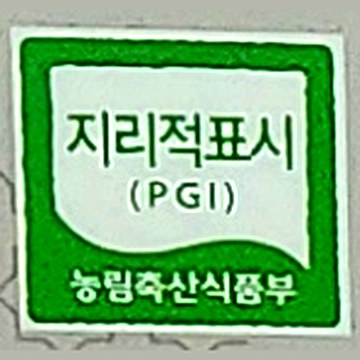
Geographical Indication (PGI)
MAFRA
Forest product No.1
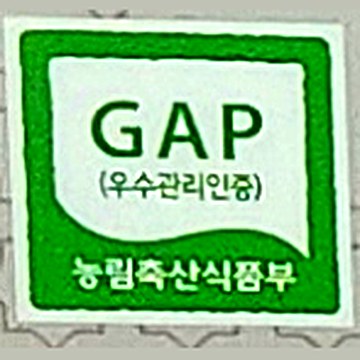
GAP certification
MAFRA
Specially managed forest product — quality pass
Korea Forestry Promotion Institute
HAPPY 700 quality mark
Pyeongchang County
2015-05-25
Regional specialty quality assurance
Gangwon Province


Research record
Work carried out with research institutes and universities to understand sanyangsam better.
- 2021–
National Institute of Forest Science, sanyangsam team · Dr. Eom Yu-ri
Took part in compound analysis and active-compound studies by root age
- 2023–24
Korea Forestry Promotion Institute · National Institute of Forest Science
Safety and use review of sanyangsam stems — Food Code amended so stems count as a food ingredient from 1 Jan 2024
- 2024–
National Institute of Forest Science · Dr. Eom Yu-ri's team
Long-term field study (three-year plan) monitoring growth and active-compound changes across forest environments
- 2026–
National Institute of Forest Science · Dr. Yoon Young-bae's team
Field study on how natural microbial agents affect growth, soil and disease resistance in one- to three-year-old plants
- Jul 2026
National Institute of Forest Science
Agreed to pursue transfer of two sanyangsam patents — 24th InterBiz Bio Partnering & Investment Forum
- 20XX